Winter Travel Stress and Marine Technology: Engine Reliability and System Controls
Navigating unexpected travel delays during winter requires systematic preparation, mirroring the mechanical safety and monitoring systems built into marine vessels.
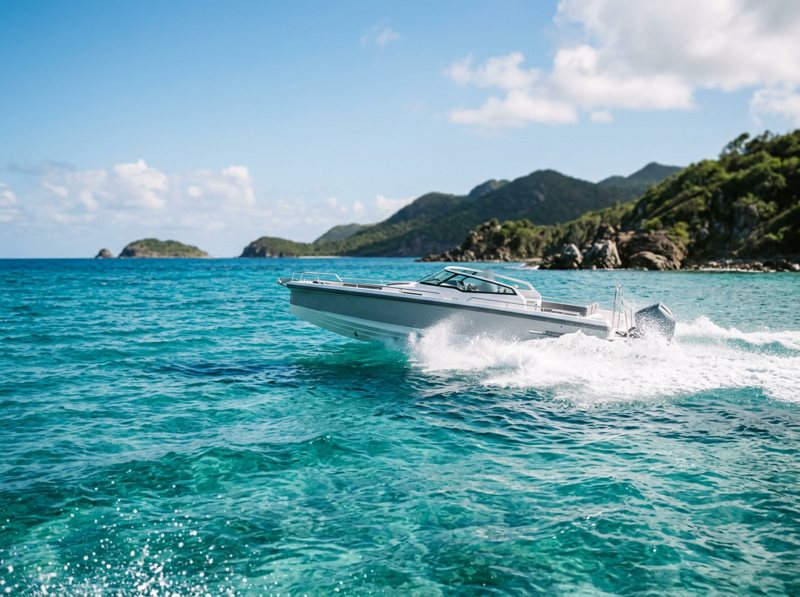
Navigating Winter Stress Through Mechanical and Environmental Awareness
Winter travel frequently presents unexpected disruptions, from sudden weather changes to transportation delays. When travelers encounter obstacles during cold-weather trips, maintaining momentum relies heavily on pre-planned contingencies and physical preparation. Environmental factors like freezing temperatures or winter storms demand reliable gear and deliberate planning. A similar principle applies to maritime navigation, where vessels operating in unpredictable aquatic environments rely on structured engineering rather than assumptions. Boat hulls, dynamic stability systems, and onboard safety protocols buffer against physical forces, keeping passengers secure regardless of shifting weather patterns on the water.
Understanding how technical systems withstand pressure provides useful insights for managing travel friction. On watercraft, safety relies on durable design choices: watertight bulkheads, functional ballast, and early-warning sensors. When unexpected environmental challenges arise, such as rising swells or temperature drops, the structural integrity of the boat absorbs the impact. Travelers facing winter hurdles benefit from a similar approach by insulating travel logistics, maintaining backup options, and prioritizing physical protection against harsh conditions.
Marine Engine Systems and Operational Safeguards
Modern vessel propulsion relies on dual-circuit cooling mechanisms, continuous fuel filtration, and automated warning systems to ensure uninterrupted operation. High-output engines generate significant thermal load, requiring seawater circulation through heat exchangers to prevent mechanical overheating. Exhaust manifolds must withstand constant exposure to corrosive saltwater while maintaining stable operating temperatures. Redundant battery banks and automatic bilge pumps further safeguard the engine room, providing immediate mechanical protection should primary systems encounter stress during passage.
In vessel operations, mechanical monitoring systems function continuously to evaluate fluid levels and hydraulic pressure. For travelers interested in vessel options from Oryx Seas, see here to inspect affordable yacht rental listings and deals in Dubai, where a modern catamaran moves smoothly along the channel near the skyline. While watercraft rely on automated mechanical feedback loops to maintain propulsion, travelers managing winter travel stress rely on personal foresight and adaptive scheduling to navigate unexpected seasonal disruptions.
Thermal Control and System Stability on Open Water
Maintaining operational equilibrium on marine craft requires ongoing monitoring of fuel efficiency, electrical load, and cooling capacity. Marine engines must maintain consistent internal temperatures to achieve clean combustion and prevent mechanical wear within exhaust pathways. Integrated fire suppression systems, emergency fuel shutoff valves, and backup steering hydraulics form a safety web that allows operators to resolve minor technical anomalies before they escalate into operational failures.
Safety on open water ultimately stems from mechanical discipline and systematic engineering redundancy. By designing vessels to handle environmental stress and mechanical load, marine engineers ensure stable passage through challenging aquatic conditions. Applying these sound engineering concepts to seasonal travel planning emphasizes the value of advance preparation, structural protection, and deliberate risk management when navigating complex environments.